
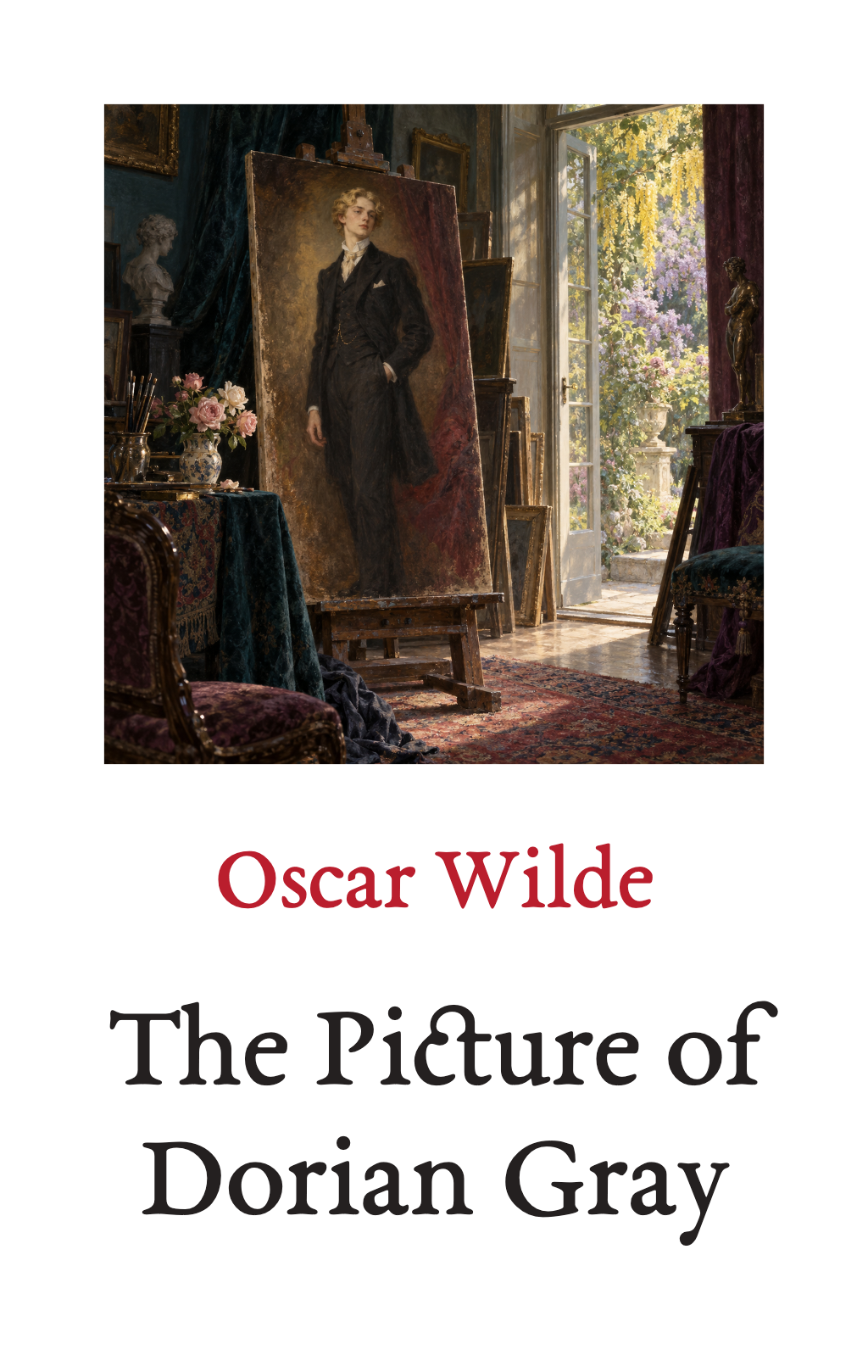
Inside the illustrated edition
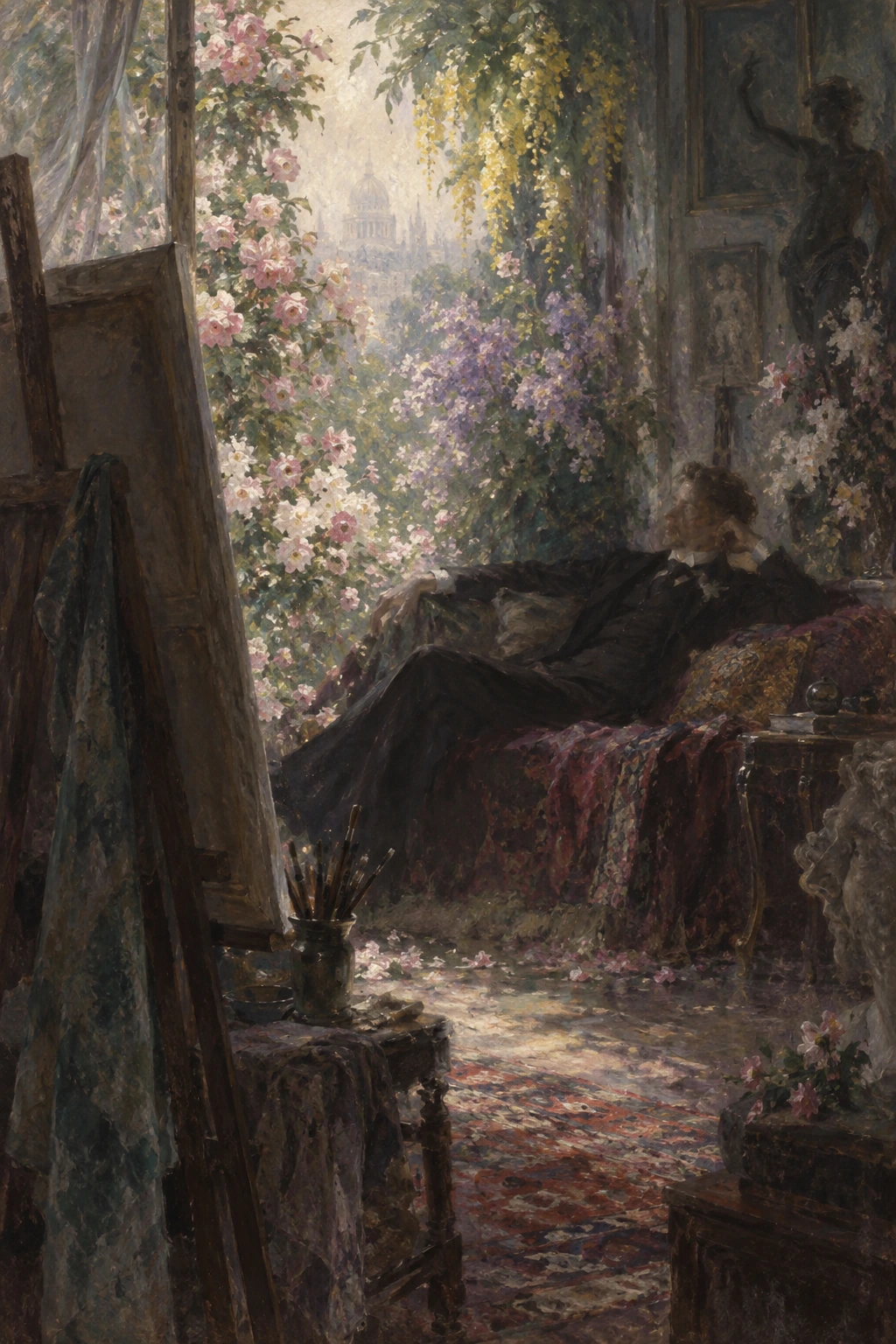
Beauty before the mirror
Flowers, summer light and the quiet of a studio. Seven atmospheric paintings enter Wilde’s world of beauty and uncertainty.
View artwork details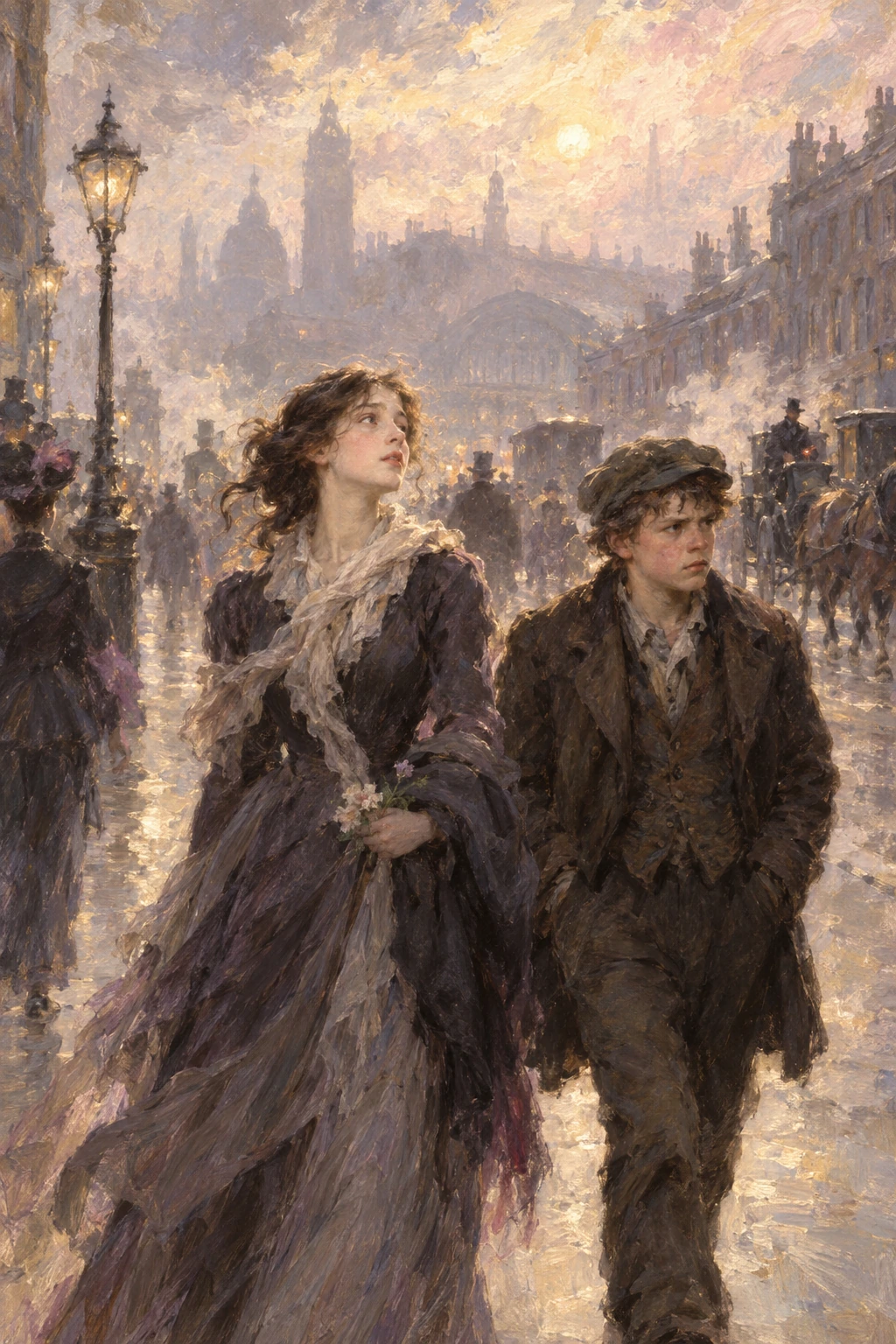
A hopeful afternoon
Two figures walk together but look in different directions. London glows with the fragile promise of youth.
View artwork details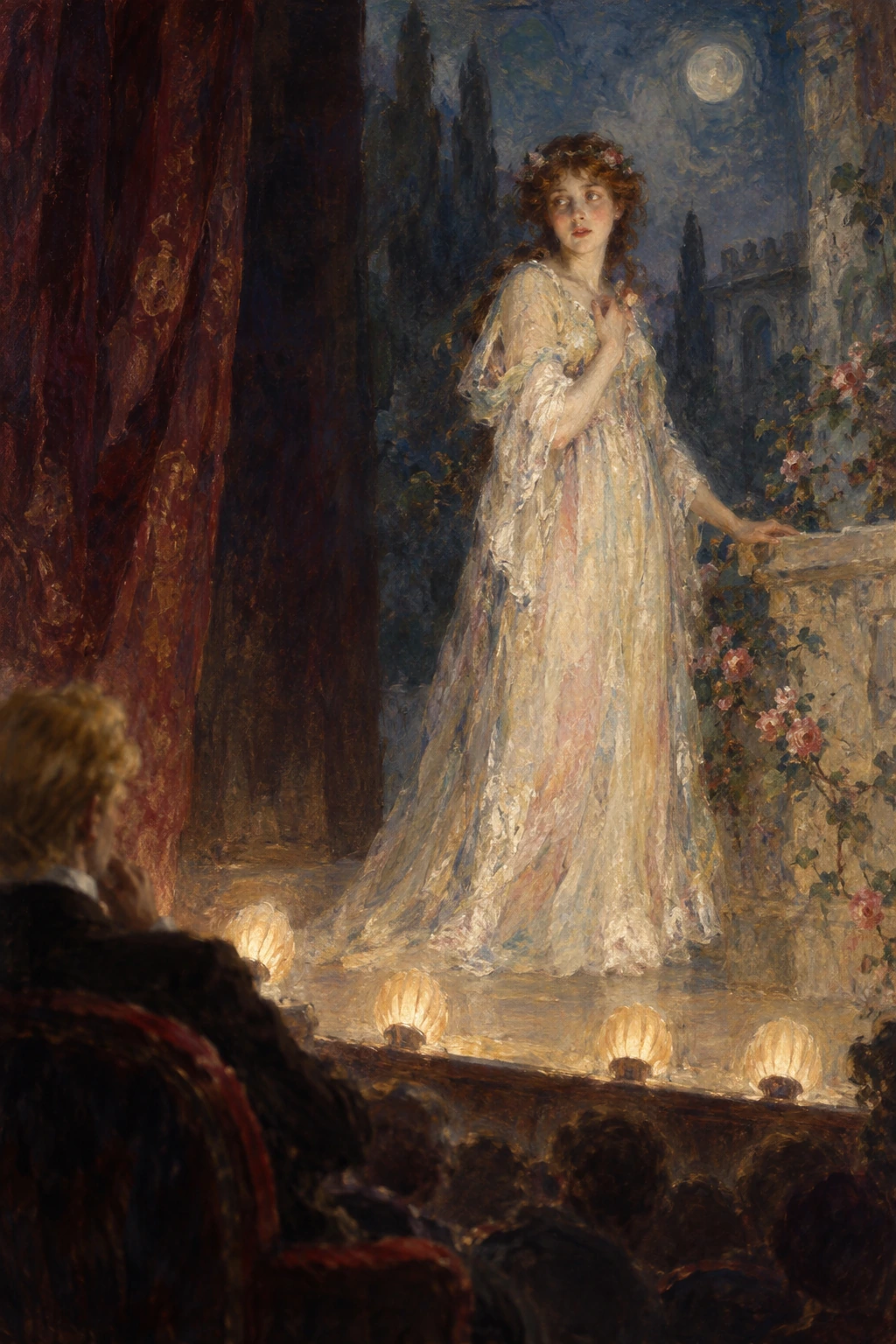
The enchantment of the stage
Pale fabric and warm footlights emerge from velvet shadow. A painted moment between presence and performance.
View artwork details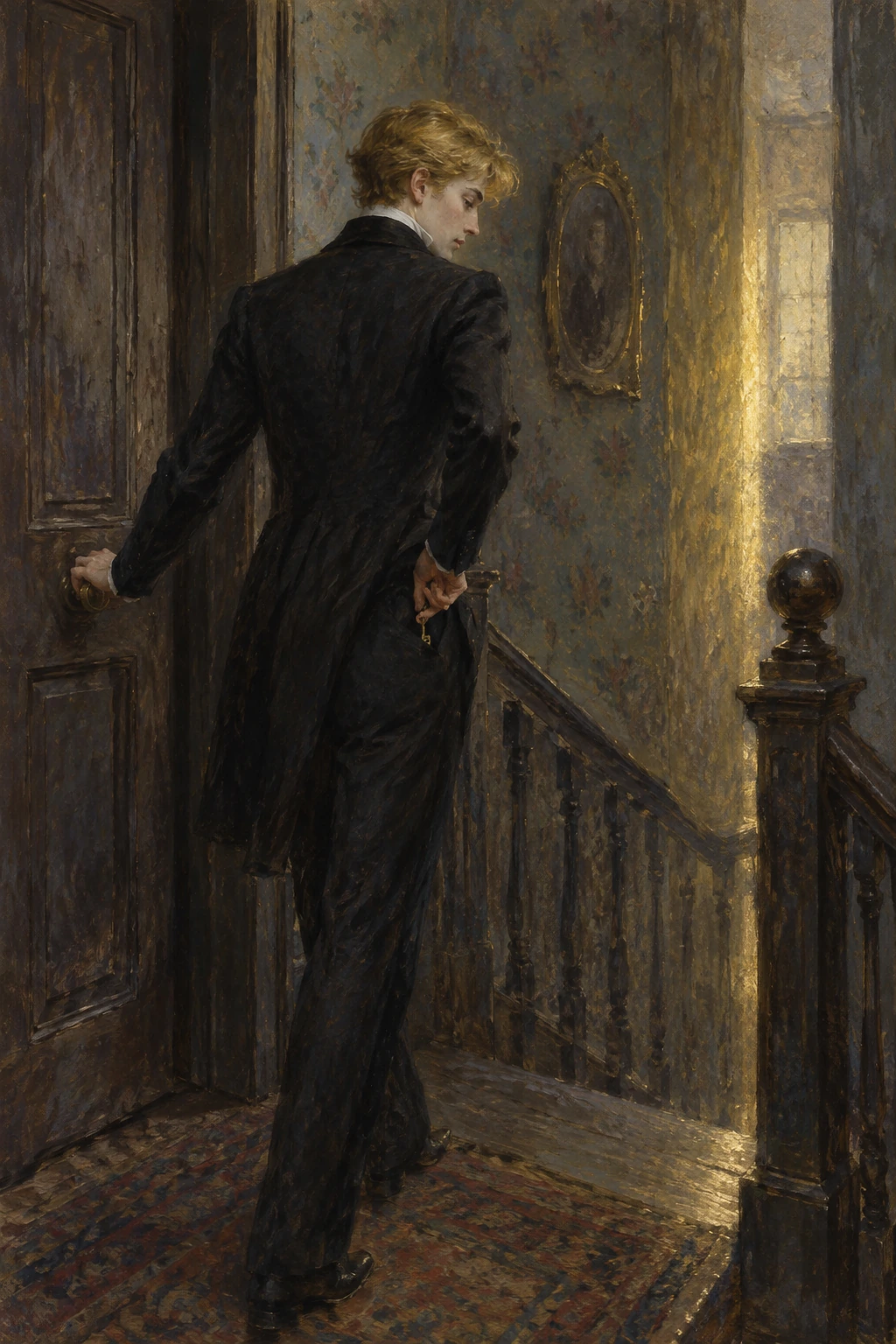
A room kept apart
A key, a closed door, a narrow landing. Ordinary spaces take on the colour of secrecy.
View artwork details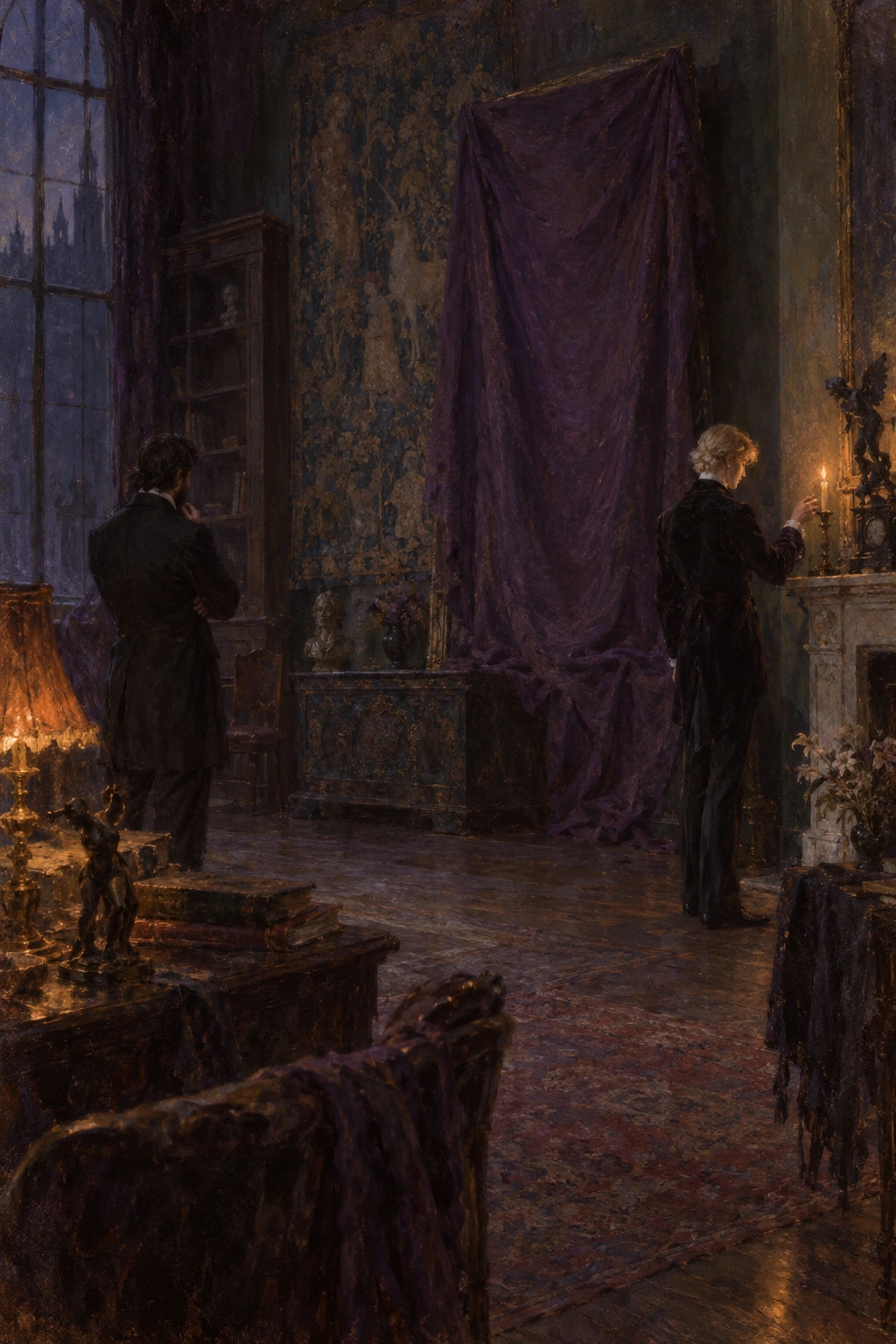
What remains unseen
Purple cloth gathers in the candlelight. The painting leaves its greatest question behind a curtain.
View artwork details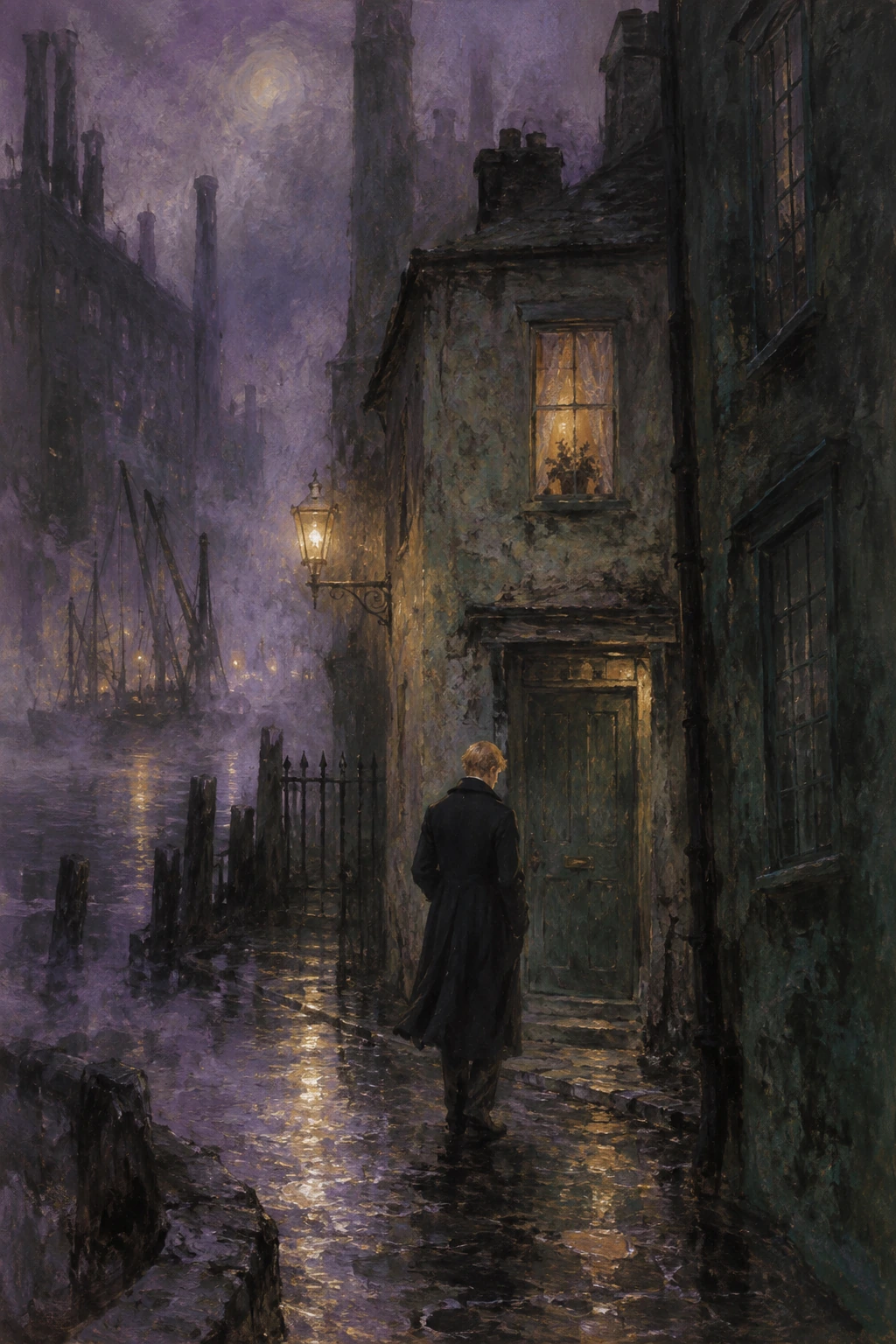
Towards the edge of the city
Violet mist and a solitary doorway. A nocturne of unease, distance and elusive light.
View artwork details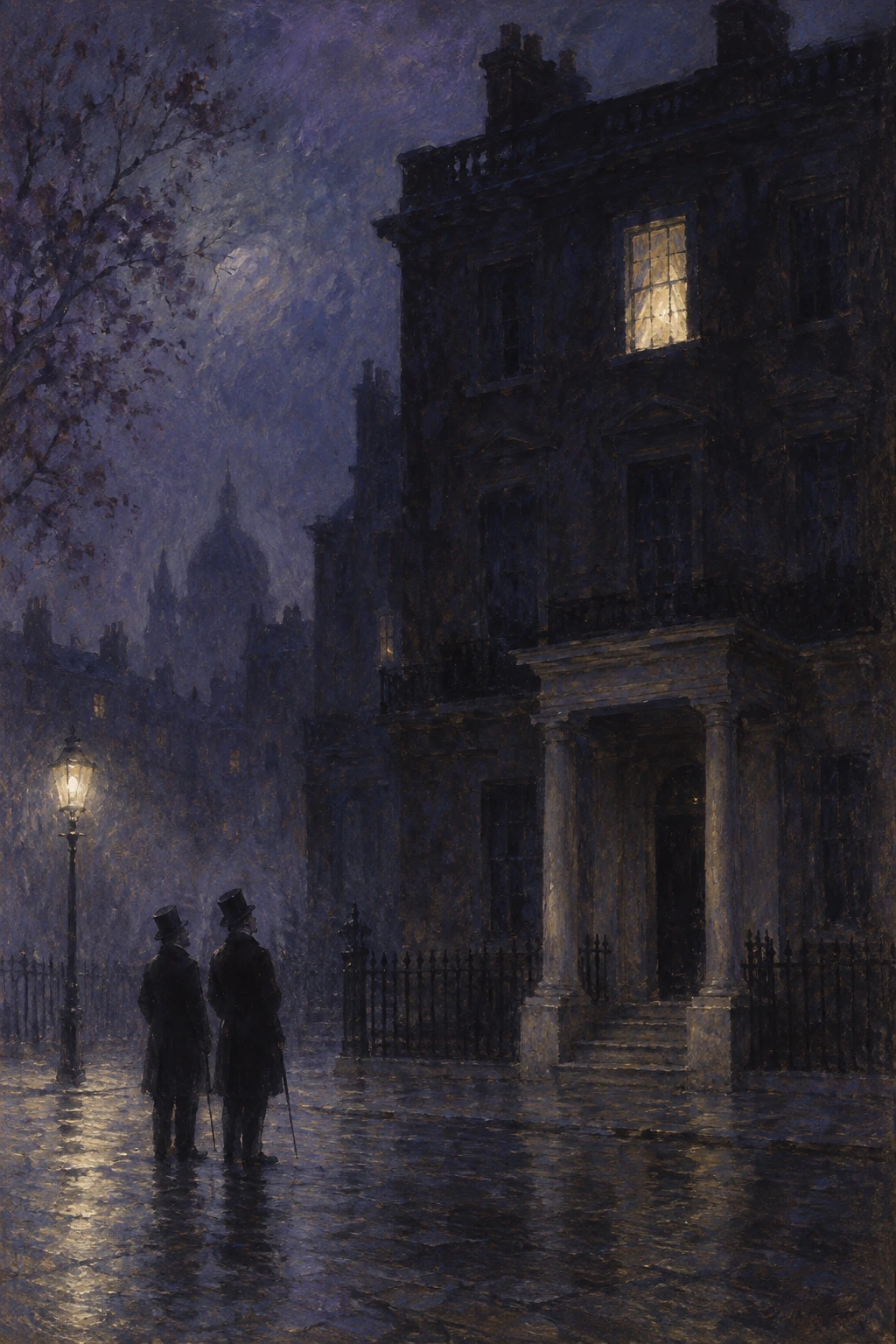
A single light
One window shines above an almost silent square. The final painting holds its story at a distance.
View artwork detailsRead. Listen. Stay in the story.
Hear the book come alive.
Distinctive voices, expressive narration and words that light up as you listen. Move between reading and listening in the Read Classics app, at your own pace.
Download the audio you have access to in the app, then listen offline.
Begin without a purchase
The opening is yours.
The title announcement, introduction and everything through the end of the first chapter, including any intervening preface or dedication, are included free.
The complete ebook is free in our launch collection. Audio beyond the opening is a separate purchase.
Continue with the complete audiobook, or buy single chapters. Eligible chapter purchases count towards completing your audiobook; your account shows the exact remaining price.
Read and listen in the Read Classics app: get it for Android now; the iPhone app is coming soon. The website has no player and no file downloads.
A beautiful portrait. A life under its influence.
In a London artist's studio, a portrait brings Dorian Gray's beauty into focus. Oscar Wilde's only novel draws its young subject into a world of dazzling conversation, desire and unsettling questions about the relation between appearances and a life.
Discover the edition
With an original introduction, chronology and further reading. 7 paintings accompany the story.
Read the complete ebook in the Read Classics app, for Android now and for iPhone soon. The free audio opening is separate from ebook access. This website offers an excerpt from the introduction, not an interactive browser reader.
From the introduction
A painter's studio opens onto a scented summer garden. Inside, Basil Hallward has made a portrait he hesitates to exhibit, while his friend Lord Henry Wotton turns conversation into a succession of brilliant provocations. Their subject is Dorian Gray, a young man whose beauty seems to promise an exceptional life. The opening of The Picture of Dorian Gray asks who controls that promise: the person admired, the artist who represents him, or the spectator who supplies an interpretation. It is a novel of London drawing rooms and private fears, where a compliment can become an instruction and looking at someone can become a form of possession.
An excerpt from the original Read Classics introduction.
Basil’s studio
the honey-sweet and honey-coloured blossoms of a laburnum
Chapter 1 · Painting 1 of 7
Before the parting
the flickering, wind-blown sunlight
Chapter 5 · Painting 2 of 7
A face in the footlights
like the shadow of a rose in a mirror of silver
Chapter 7 · Painting 3 of 7
Behind a locked door
Dorian locked the door and put the key in his pocket.
Chapter 10 · Painting 4 of 7
The hidden room
a curtained picture
Chapter 13 · Painting 5 of 7
At the edge of the city
a small shabby house
Chapter 16 · Painting 6 of 7
One light remains
Except for a light in one of the top windows, the house was all dark.
Chapter 20 · Painting 7 of 7
The Picture of Dorian Gray
Pinch or use the zoom controls to look closer. Swipe between paintings.